- hello@daggloballtd.com
- No. 3 Ebong Close Wealth avenue, Palmsbay estate Abijo G.R.A. Lekki Epe exrpress way, Lagos State, Nigeria

What to Consider Before Choosing a Telecom Service Provider
06
Mar
In today’s hyper-connected world, telecommunications are the invisible threads that hold our personal and professional lives together. From making voice calls and sending messages to running businesses online and streaming entertainment, a reliable telecom service provider plays a crucial role in everyday life.
Choosing the right telecom provider is not just about picking the cheapest plan or the most popular brand. It’s about selecting a service that aligns with your communication needs, offers reliable connectivity, and provides long-term value.
With so many providers offering different plans, technologies, and pricing structures, the decision can quickly become overwhelming. Before signing a contract or switching providers, there are several important factors you should evaluate carefully.
This guide explores the key things to consider before choosing a telecom service provider so you can make a confident and informed decision.
Understanding Your Communication Needs
Before comparing telecom providers, the first step is understanding what you actually need from a telecom service.
Different users have different requirements, and identifying yours will help narrow down the options.
Personal vs Business Requirements
Residential users typically need services such as:
-
Reliable mobile network coverage
-
Affordable internet plans
-
Streaming support
-
Stable connections for video calls and social media
Businesses, on the other hand, require more advanced telecom solutions, including:
-
High-speed broadband connectivity
-
VoIP phone systems
-
Cloud communication platforms
-
Dedicated internet lines
-
Secure data transfer
A household may only need stable internet for streaming and browsing, while a business might rely heavily on uninterrupted connectivity for daily operations.
Understanding this difference helps ensure you select a provider capable of meeting your specific demands.
Types of Telecom Services to Consider
Telecom providers typically offer a variety of services, including:
Mobile network services
These include voice calls, SMS, and mobile data plans for smartphones and tablets.
Broadband internet services
Internet connectivity delivered through fiber, DSL, or cable networks.
Landline services
Although less common today, some homes and businesses still rely on traditional landline phones.
VoIP (Voice over Internet Protocol)
A modern solution that allows voice calls over the internet instead of traditional phone lines.
Enterprise connectivity solutions
Businesses may require private networks, cloud communication platforms, or multi-location connectivity.
Evaluating which of these services you need will help determine the right provider.
Estimating Your Usage
Usage patterns matter when selecting telecom services.
Ask yourself:
-
How many devices will connect to the network?
-
How much data do you use monthly?
-
Do you stream videos frequently?
-
Do you work remotely or attend video meetings often?
Heavy internet users need higher bandwidth and faster speeds, while casual users may only require basic connectivity.
Network Coverage and Reliability
Coverage and reliability are two of the most important factors when selecting a telecom provider.
Even the most affordable plan becomes useless if the signal strength is poor.
Coverage Area
Before committing to a provider, check their coverage in your specific location.
Some providers offer excellent connectivity in cities but struggle in rural areas.
Coverage maps on telecom websites can provide a good starting point, but it’s also helpful to ask friends, neighbors, or colleagues about their experience with the network.
A provider with strong local coverage will deliver more consistent service.
Network Reliability
Reliability refers to how stable the network connection is over time.
Frequent network outages or disruptions can cause major inconveniences.
For businesses, downtime can lead to lost productivity and missed opportunities.
A reliable telecom provider should offer:
-
High network uptime
-
Stable connections
-
Minimal service interruptions
Some providers even publish uptime guarantees, which indicate their commitment to service reliability.
Network Technology
The technology used by a telecom provider significantly impacts speed and performance.
Common network technologies include:
3G Networks
Older technology that is gradually being phased out.
4G LTE Networks
Widely used today and capable of supporting streaming, browsing, and video calls.
5G Networks
The newest generation of mobile connectivity offering ultra-fast speeds and low latency.
For home internet, the main technologies include:
-
Fiber optic internet
-
Cable broadband
-
DSL connections
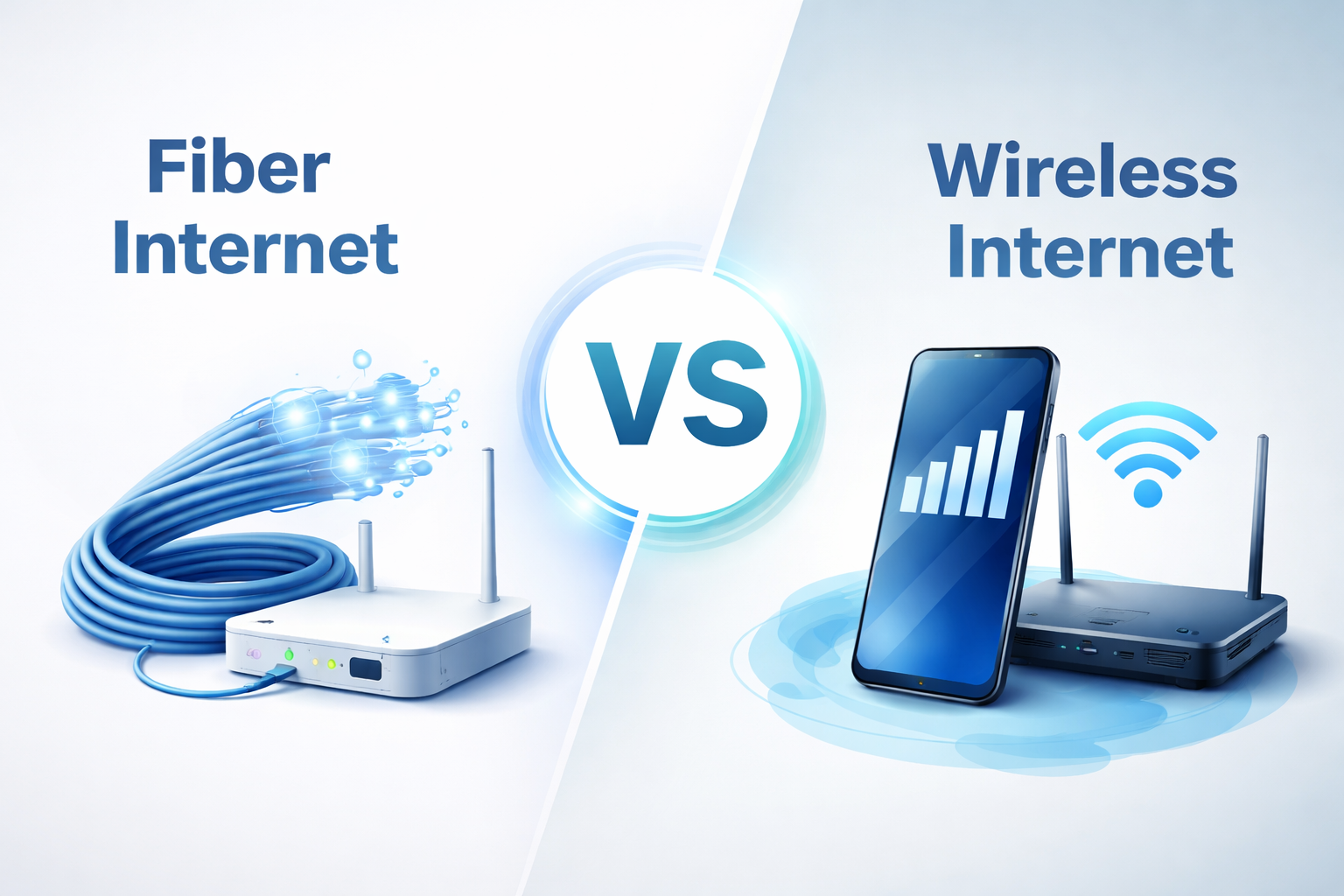
Fiber networks generally provide the fastest and most stable internet speeds.
Pricing and Cost Transparency
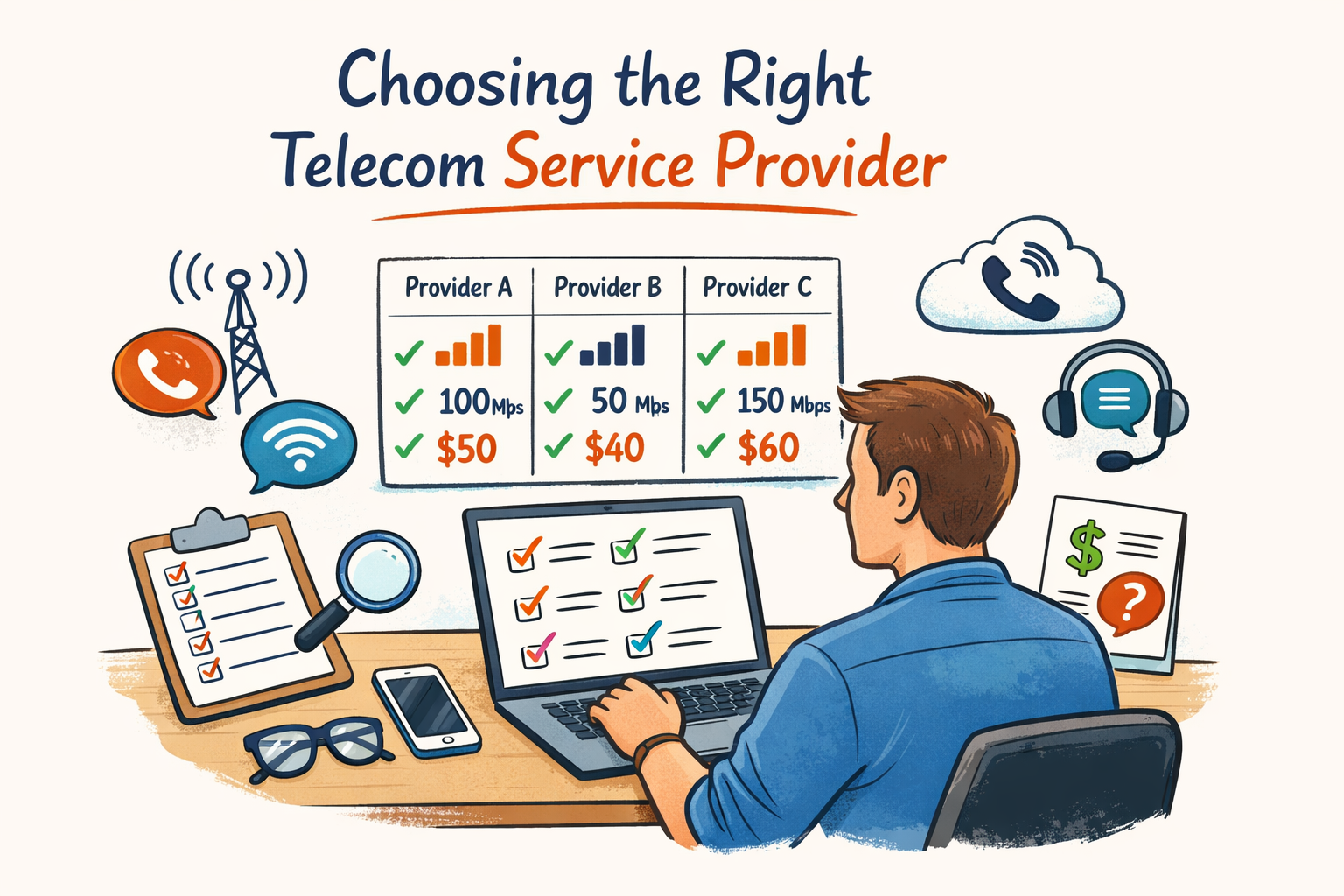
Price is often the first thing people consider when choosing a telecom provider, but it shouldn’t be the only factor.
A low price may come with hidden costs or poor service quality.
Comparing Pricing Plans
Most telecom providers offer several types of plans:
-
Monthly subscription plans
-
Prepaid services
-
Pay-as-you-go options
-
Bundled packages
Bundled packages that combine internet, mobile, and television services may provide better value for money.
However, it’s important to compare the full cost rather than focusing only on promotional prices.
Hidden Charges to Watch For
Some telecom plans include additional charges that may not be obvious at first.
Common hidden costs include:
-
Activation fees
-
Equipment rental fees
-
Data overage charges
-
Early termination penalties
Reading the terms and conditions carefully helps prevent unexpected bills.
Value for Money
The cheapest provider is not always the best option.
Instead, look for a balance between:
-
Service reliability
-
Network speed
-
Customer support
-
Overall cost
A slightly higher price may be worthwhile if it delivers significantly better performance.
Internet Speed and Performance
Internet speed is one of the biggest factors affecting user experience.
Slow internet connections can disrupt everything from video calls to online gaming.
Understanding Speed Requirements
Different activities require different internet speeds.
For example:
-
Browsing and email: 5–10 Mbps
-
HD streaming: 10–25 Mbps
-
Online gaming: 25–50 Mbps
-
Large households or businesses: 100 Mbps or more
If multiple users are connected simultaneously, higher speeds are necessary.
Download vs Upload Speeds
Download speed determines how fast you can receive data, such as streaming videos or loading web pages.
Upload speed determines how quickly you can send data, such as:
-
Uploading files
-
Video conferencing
-
Cloud backups
Many users overlook upload speeds, but they are essential for remote work and content creation.
Latency and Network Performance
Latency refers to the delay between sending a request and receiving a response from the network.
Low latency is important for:
-
Online gaming
-
Real-time communication
-
Video conferencing
High latency can cause lag, buffering, and interruptions.
Customer Support and Service Quality
Even the best telecom networks occasionally experience technical issues.
When problems occur, reliable customer support becomes essential.
Availability of Support
A good telecom provider should offer multiple support channels, including:
-
Phone support
-
Live chat
-
Email support
-
Help centers and FAQs
Ideally, customer support should be available 24/7.
Technical Support Quality
Fast response times and effective problem resolution are key indicators of good service.
Look for providers known for resolving issues quickly and efficiently.
Poor customer support can turn small technical issues into major frustrations.
Customer Reviews and Reputation
Reading reviews from real customers can reveal valuable insights about a telecom provider.
Look for feedback related to:
-
Network reliability
-
Billing transparency
-
Customer service experiences
Consistent complaints about the same issue may indicate potential problems.
Contract Terms and Flexibility
Telecom contracts often include long-term commitments.
Understanding the terms before signing can help avoid future complications.
Contract Length
Some providers require contracts lasting one or two years, while others offer month-to-month plans.
Long-term contracts may provide lower prices but reduce flexibility.
Short-term plans offer more freedom but may cost slightly more.
Cancellation Policies
Always check what happens if you cancel your service early.
Some providers charge significant early termination fees.
Knowing the cancellation terms ensures you won’t face unexpected costs.
Plan Flexibility
A flexible telecom plan allows you to upgrade or downgrade services as your needs change.
This is especially important for businesses that may grow or expand over time.
Security and Privacy
Telecommunications involve the transmission of sensitive data, making security an important consideration.
Data Protection Measures
Reliable telecom providers implement strong security practices such as:
-
Network encryption
-
Secure data transmission
-
Protection against cyber threats
These measures help safeguard personal and business communications.
Privacy Policies
It’s also important to review how telecom providers handle customer data.
Reputable providers maintain transparent privacy policies and comply with data protection regulations.
Scalability and Future Growth
Your telecom needs may change over time.
Choosing a provider capable of supporting future growth ensures you won’t need to switch services frequently.
Ability to Upgrade Services
Look for providers that allow easy upgrades to faster speeds or larger data plans.
This flexibility can save time and reduce disruptions later.
Business Expansion Support
Businesses should consider telecom providers that support:
-
Multi-location connectivity
-
Cloud-based communication tools
-
Advanced call management systems
These features help companies grow without communication limitations.
Adapting to Emerging Technologies
Telecom technology evolves rapidly.
Providers that invest in modern infrastructure such as 5G networks and fiber optics—are better positioned to support future innovations.
Common Mistakes to Avoid When Choosing a Telecom Provider
Many users make avoidable mistakes when selecting telecom services.
Some of the most common include:
Choosing based only on price
Cheap plans may come with poor connectivity or limited support.
Ignoring customer reviews
Real user experiences can reveal problems that advertisements don’t mention.
Overlooking contract terms
Long-term commitments can become costly if you need to cancel early.
Not checking local coverage
Even major telecom providers may have weak signals in certain areas.
Avoiding these mistakes can save both time and money.
Tips for Making the Right Choice
Selecting the right telecom provider becomes easier when you follow a systematic approach.
Conduct Proper Research
Compare several providers and analyze their offerings carefully.
Look at coverage, pricing, speed, and customer reviews.
Test Services When Possible
If available, consider trying short-term or prepaid plans before committing to long-term contracts.
Ask for Recommendations
Friends, family members, and colleagues can provide valuable recommendations based on their experience.
Start with Flexible Plans
Flexible plans allow you to adjust services as your needs evolve.
Frequently Asked Questions (FAQs)
1. How do I choose the best telecom service provider?
To choose the best telecom provider, evaluate key factors such as network coverage, internet speed, pricing plans, customer support, and reliability. It is also helpful to read customer reviews and compare multiple providers before making a final decision.
2. Why is network coverage important when selecting a telecom provider?
Network coverage determines how strong and stable the signal will be in your area. Even the most affordable plan will be frustrating if the provider has poor coverage where you live or work.
3. What internet speed do I need for my home?
The ideal internet speed depends on your usage:
-
10–25 Mbps for basic browsing and email
-
25–50 Mbps for HD streaming and video calls
-
100 Mbps or more for households with many devices or heavy internet usage
4. Should I choose a prepaid or contract telecom plan?
Prepaid plans offer flexibility and no long-term commitments, making them ideal for users who want control over their spending. Contract plans may offer lower monthly costs or additional benefits but usually require long-term commitments.
5. What hidden charges should I watch for in telecom plans?
Some telecom providers may include hidden fees such as:
-
Activation fees
-
Equipment rental costs
-
Data overage charges
-
Early termination fees
Always read the service agreement carefully before signing up.
6. Is fiber internet better than DSL or cable?
Fiber internet generally offers faster speeds, lower latency, and more reliable connections compared to DSL or cable. However, availability may vary depending on location.
7. How important is customer support when choosing a telecom provider?
Customer support is extremely important because technical issues can occur at any time. Providers that offer responsive and reliable support can resolve problems quickly and minimize disruptions.
8. Can I switch telecom providers easily?
Yes, but the process depends on your current contract terms. If you are under a long-term contract, you may need to pay an early termination fee before switching to a new provider.
Conclusion
Choosing the right telecom service provider is a decision that can significantly impact your communication experience.
From network coverage and internet speed to pricing transparency and customer support, multiple factors influence the quality of service you receive.
Taking time to evaluate these elements carefully ensures you select a provider that delivers reliability, performance, and long-term value.
Rather than rushing into the first available offer, compare multiple options, review contract terms, and assess your actual communication needs.
With the right telecom provider, you can enjoy seamless connectivity, better productivity, and a smoother digital experience in both personal and professional life.