- hello@daggloballtd.com
- No. 3 Ebong Close Wealth avenue, Palmsbay estate Abijo G.R.A. Lekki Epe exrpress way, Lagos State, Nigeria

How to Reduce Delivery Delays Using Smart Logistics Tools
10
Mar
Introduction
Fast delivery has become a major competitive advantage for businesses today. Customers no longer want to wait days without updates or clear delivery timelines. Whether someone orders food, groceries, electronics, or clothing, they expect their order to arrive quickly and reliably.
When deliveries arrive late, the consequences can be serious. Businesses may face customer complaints, negative reviews, increased operational costs, and reduced trust. Over time, consistent delivery delays can damage a brand’s reputation and reduce customer loyalty.
Fortunately, modern technology has made it easier for businesses to manage logistics efficiently. Smart logistics tools allow companies to automate operations, optimize delivery routes, track shipments in real time, and improve communication across the supply chain.
In this guide, you will learn how businesses can reduce delivery delays by using smart logistics tools and modern logistics technology to improve delivery efficiency.
How Businesses Can Reduce Delivery Delays
Businesses can reduce delivery delays by using smart logistics tools that automate and optimize delivery operations. These tools include route optimization software, real time delivery tracking systems, warehouse management platforms, and automated order processing technology. By improving route planning, increasing delivery visibility, and reducing manual errors, companies can deliver orders faster while improving customer satisfaction.
What Causes Delivery Delays in Modern Logistics
Before solving delivery delays, it is important to understand the common problems that slow down logistics operations. Many businesses still rely on manual systems or outdated processes that create inefficiencies.
Poor Route Planning
Without proper route optimization, delivery drivers may travel longer distances than necessary. Drivers can also encounter unexpected traffic congestion that slows deliveries.
When routes are planned manually, businesses often lose valuable time and fuel.
Inventory Errors
Inaccurate inventory data can cause serious delivery delays. When stock levels are not updated properly, warehouses may need extra time to confirm product availability before shipping.
This slows the entire order fulfillment process.
Lack of Real Time Tracking
When businesses cannot track deliveries in real time, it becomes difficult to detect problems quickly. Delays may go unnoticed until customers begin complaining.
Real time visibility is essential for maintaining efficient logistics operations.
Manual Order Processing
Manual order processing increases the risk of mistakes and slows dispatch operations. Orders may sit in queues before they are prepared for shipment.
Smart logistics technology helps eliminate these issues by automating many of these processes.
What Are Smart Logistics Tools
Smart logistics tools are digital technologies designed to optimize supply chain operations. They help businesses manage deliveries, track shipments, control inventory, and automate order processing.
These tools rely on real time data, automation, and analytics to improve efficiency across logistics operations.
Examples of smart logistics tools include
Route optimization software
Delivery tracking systems
Warehouse management systems
Automated order management platforms
Fleet tracking solutions
When these technologies are implemented correctly, businesses can significantly improve delivery speed and reliability.
Route Optimization Software for Faster Deliveries
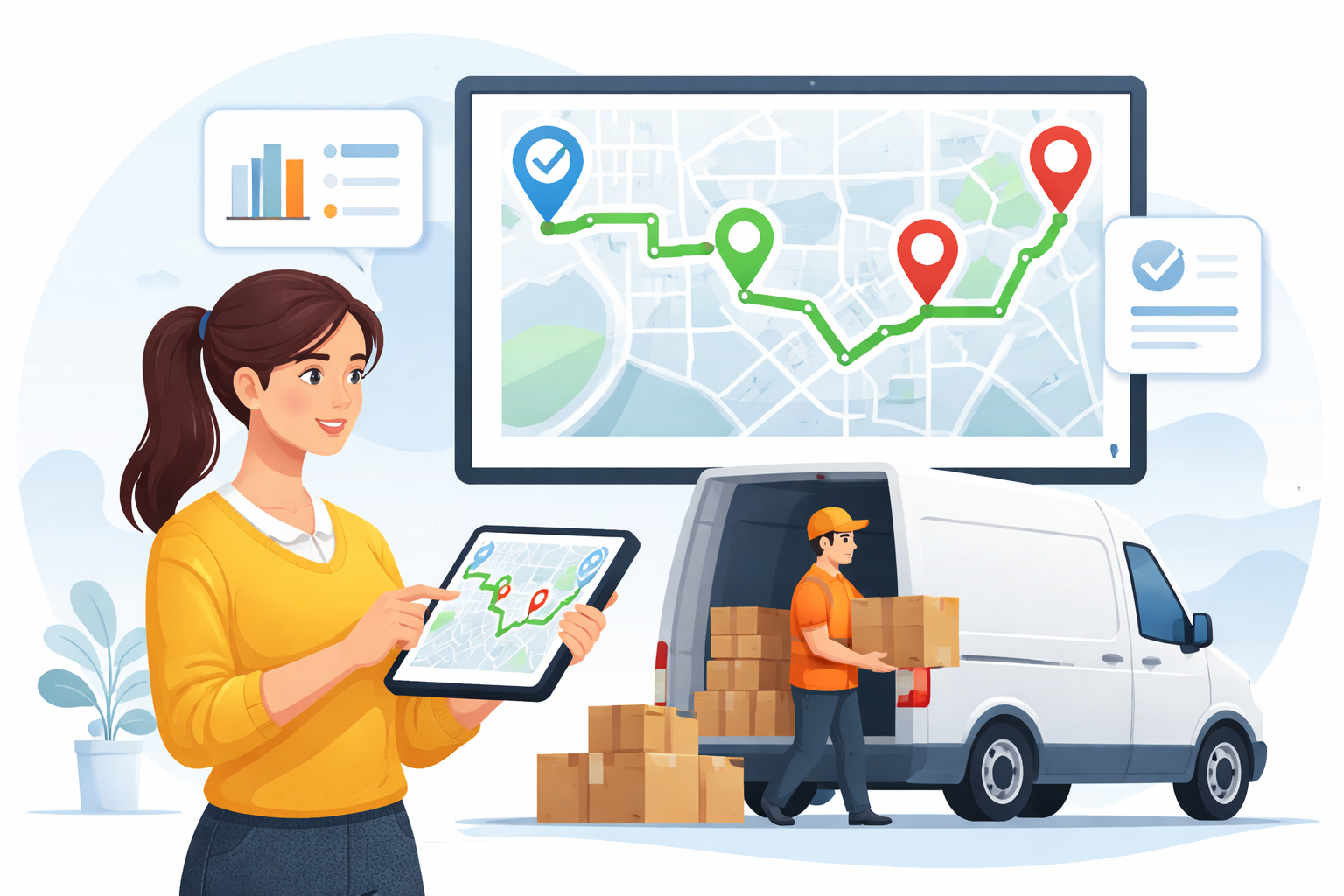
Route optimization software is one of the most effective ways to improve delivery efficiency. Instead of relying on manual route planning, businesses can use software that calculates the fastest delivery paths automatically.
The system analyzes several factors including
Traffic conditions
Road networks
Delivery locations
Distance between stops
Based on this information, the software generates the most efficient routes for drivers.
Benefits of Route Optimization
Businesses that use route optimization software experience several advantages.
Drivers avoid heavy traffic areas
Delivery routes become shorter and more efficient
Fuel costs are reduced
Drivers can complete more deliveries in a single trip
For companies managing multiple deliveries every day, route optimization can dramatically reduce delivery delays.
Real Time Delivery Tracking Systems
Modern customers expect transparency during the delivery process. They want to know when their order is dispatched and when it will arrive.
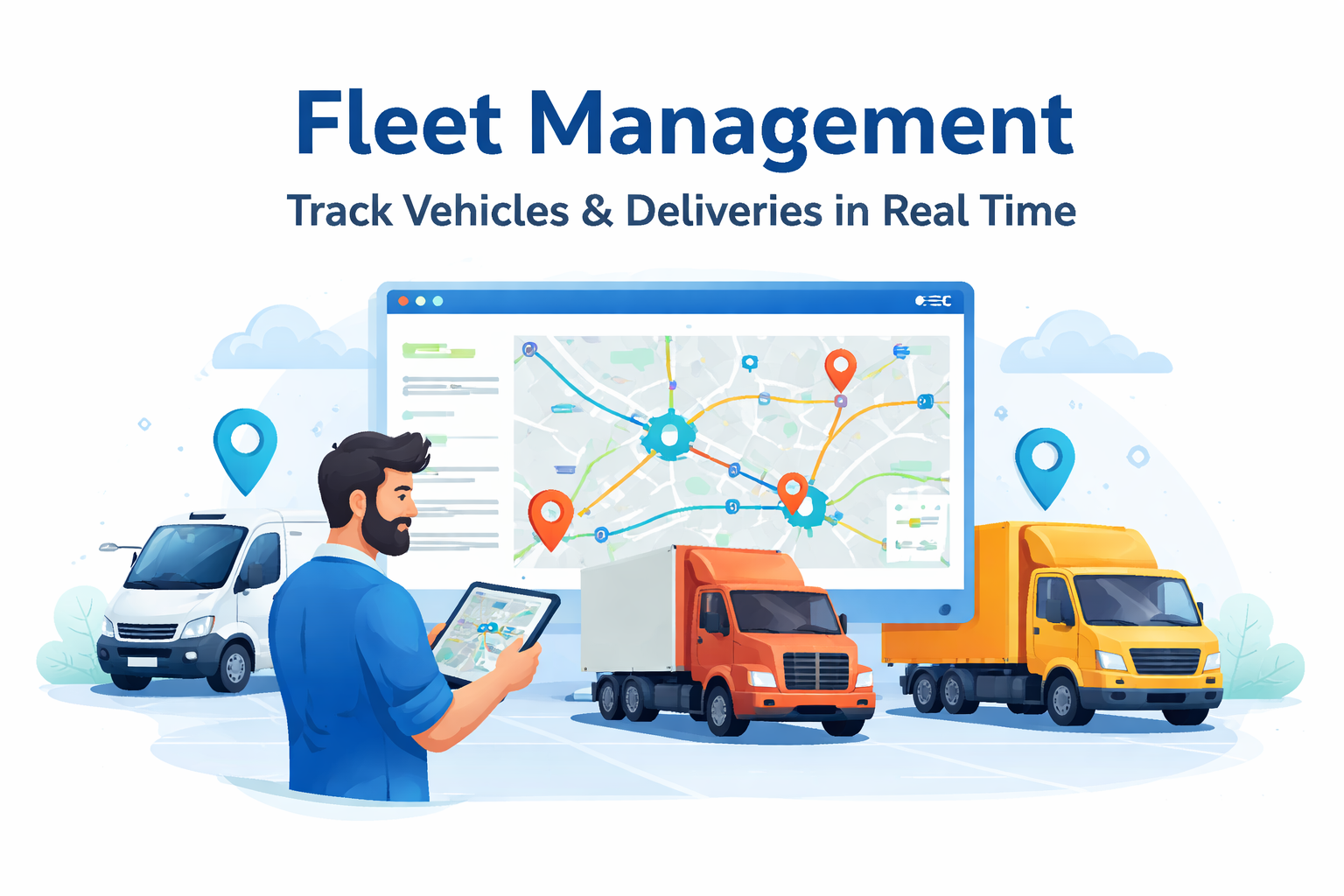
Real time delivery tracking systems allow businesses to monitor shipments and delivery vehicles using GPS technology.
Dispatch teams can see where drivers are located and quickly identify delays.
Benefits for Businesses
Businesses gain better operational control when they can track deliveries in real time.
They can detect delays early
Dispatch teams can adjust routes if needed
Customer support teams can provide accurate updates
Benefits for Customers
Customers also benefit from delivery tracking.
They can monitor their orders
They receive accurate delivery time estimates
They feel more confident about the delivery process
This transparency improves trust and customer satisfaction.
Warehouse Management Systems Improve Order Fulfillment
Warehouse operations play a major role in delivery speed. If orders take too long to be picked and packed, deliveries will start late.
A warehouse management system helps automate warehouse processes and improve inventory visibility.
These systems track product locations, guide workers during order picking, and update inventory levels automatically.
Advantages of Warehouse Management Systems
Faster order preparation
Accurate inventory tracking
Reduced picking and packing errors
Better warehouse organization
With improved warehouse efficiency, orders can be dispatched faster and delivery delays can be minimized.
Automated Order Management Systems
Another important solution for reducing delivery delays is automated order management.
When customers place orders online, automated systems instantly process them and send the information to the warehouse or delivery team.
This eliminates delays caused by manual data entry.
Key Benefits of Order Automation
Faster order processing
Reduced human errors
Seamless integration with ecommerce platforms
Improved order accuracy
Automation ensures that orders move quickly from purchase to dispatch without unnecessary delays.
Artificial Intelligence and Predictive Logistics
Artificial intelligence is transforming logistics by helping businesses predict and prevent potential delivery problems.
AI powered logistics platforms analyze large amounts of data to identify patterns and trends.
These systems can predict
Demand spikes during holidays
Traffic congestion patterns
Weather related delivery risks
Inventory shortages
With predictive insights, businesses can prepare in advance and reduce the chances of delivery disruptions.
Improving Communication Between Drivers and Dispatch Teams
Communication breakdowns between drivers and dispatch teams can slow deliveries significantly.
If drivers encounter traffic congestion, vehicle issues, or incorrect addresses, they must be able to communicate with dispatch quickly.
Smart logistics platforms provide digital tools that improve communication across delivery teams.
Examples include
Driver mobile applications
Dispatch management dashboards
Instant delivery notifications
Route update alerts
Better communication allows teams to respond quickly to unexpected situations and keep deliveries on schedule.
Integrating Logistics Tools with Ecommerce Platforms
For online businesses, logistics tools work best when integrated directly with ecommerce platforms.
Integration allows orders to move automatically from the online store to the logistics management system.
This eliminates manual processing and speeds up the entire order fulfillment process.
Benefits of Ecommerce Integration
Automatic order synchronization
Faster dispatch operations
Real time inventory updates
Accurate delivery tracking
When logistics systems are fully integrated with ecommerce platforms, businesses can provide a seamless customer experience from checkout to delivery.
Best Smart Logistics Tools for Businesses
Many businesses are now adopting specialized logistics software to improve delivery efficiency.
Popular smart logistics tools include
Route optimization platforms that calculate the fastest delivery routes
Fleet tracking systems that monitor vehicle locations
Delivery management software that coordinates dispatch operations
Warehouse automation systems that improve order fulfillment speed
Choosing the right combination of tools can significantly improve delivery performance.
Measuring Logistics Performance
To continuously improve delivery operations, businesses must monitor logistics performance metrics.
Tracking these metrics helps identify inefficiencies and areas that require improvement.
Important logistics metrics include
On time delivery rate
Average delivery time
Order fulfillment time
Delivery success rate
Driver productivity
Monitoring these indicators allows companies to refine their logistics strategies and reduce delivery delays over time.
How Small Businesses Can Start Using Smart Logistics Tools
Many small businesses believe that logistics technology is only suitable for large corporations. However, many affordable solutions exist that can improve delivery operations without large investments.
Small businesses can begin by adopting simple tools such as
Route planning applications
GPS delivery tracking systems
Basic inventory management software
Automated order notifications
Even these simple solutions can significantly improve delivery speed and operational efficiency.
Conclusion
Delivery delays can damage customer trust and limit business growth. In today’s competitive environment, businesses that deliver faster often gain a significant advantage.
Smart logistics tools provide powerful solutions for improving delivery efficiency. By using technologies such as route optimization software, delivery tracking systems, warehouse management platforms, and automated order processing tools, businesses can streamline operations and reduce delays.
Companies that invest in modern logistics technology can deliver faster, operate more efficiently, and build stronger relationships with their customers.
Frequently Asked Questions
What are smart logistics tools
Smart logistics tools are digital technologies that help businesses manage transportation, inventory, and order fulfillment more efficiently through automation and real time tracking.
How can businesses reduce delivery delays
Businesses can reduce delivery delays by using route optimization software, real time tracking systems, warehouse management platforms, and automated order processing systems.
Why is real time delivery tracking important
Real time tracking allows businesses and customers to monitor deliveries, identify delays quickly, and improve transparency throughout the delivery process.
Are smart logistics tools suitable for small businesses
Yes. Many affordable logistics tools are available that help small businesses improve delivery operations without requiring large investments.
If you want, I can also help you with three powerful things that can dramatically increase the chances of this article ranking on Google
-
A perfect internal linking structure for your website
-
SEO optimized image prompts you can generate for the blog
-
10 related articles that will build topical authority for your site.