- hello@daggloballtd.com
- No. 3 Ebong Close Wealth avenue, Palmsbay estate Abijo G.R.A. Lekki Epe exrpress way, Lagos State, Nigeria

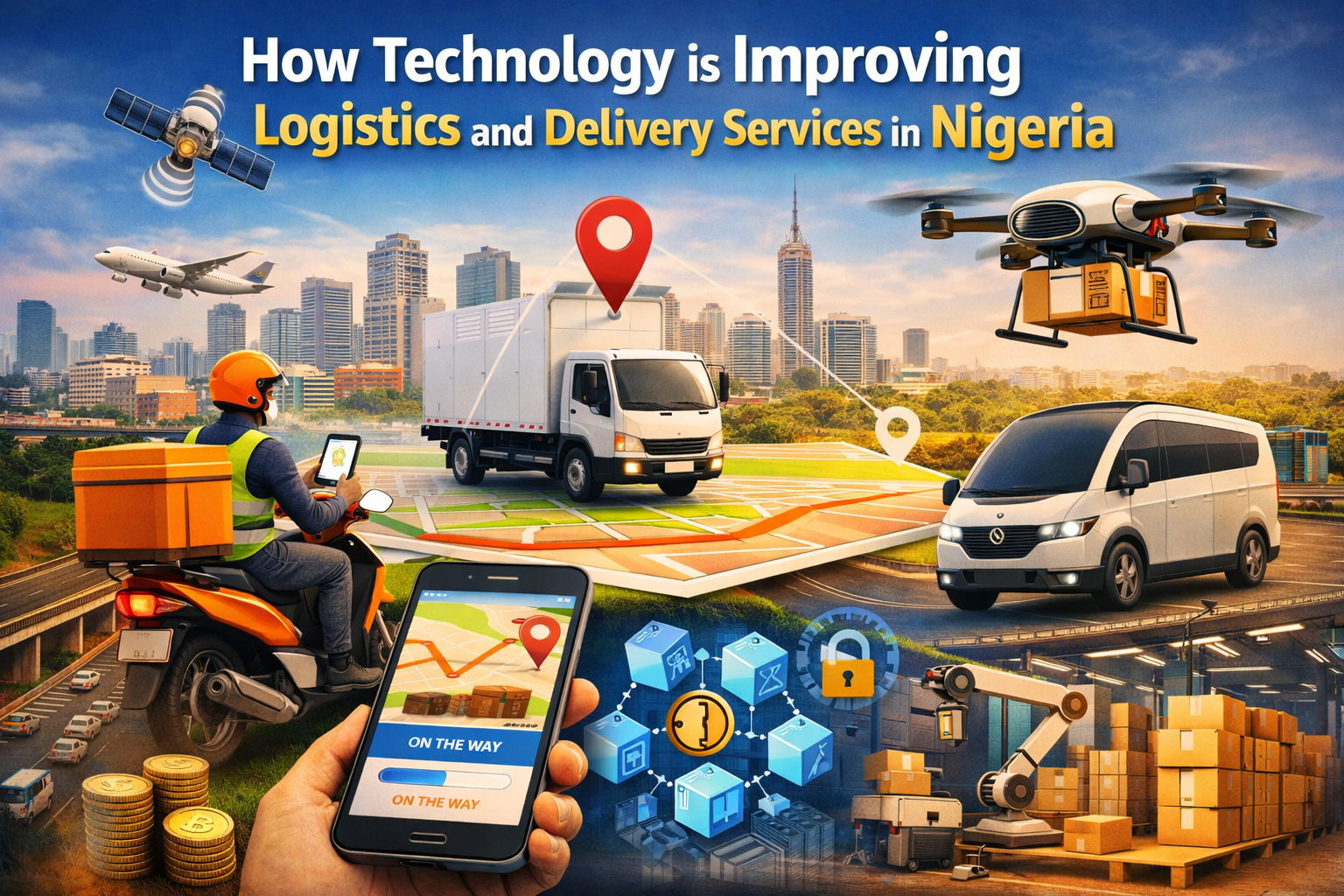
How Technology is Improving Logistics and Delivery Services in Nigeria
07
Feb
Ever wondered why your parcel now arrives faster than ever in Lagos or Abuja? Or why tracking a delivery feels as simple as scrolling your Instagram feed? That’s the power of technology at work. Across Nigeria, logistics and delivery services are embracing digital solutions, transforming an industry once plagued by delays and inefficiency.
This article explores How Technology is Improving Logistics and Delivery Services in Nigeria, highlighting innovations, challenges, and the future of this dynamic sector. Whether you’re a business owner, logistics professional, or curious consumer, this guide shows how tech is reshaping delivery in Nigeria.
The Current State of Logistics in Nigeria
Nigeria’s logistics landscape has historically faced significant hurdles:
•Traffic congestion: Lagos, Abuja, and other major cities often face gridlocks.
•Poor infrastructure: Roads with potholes and unreliable transport networks slow deliveries.
•Last-mile delivery problems: Rural areas often experience delays or missed shipments.
•Manual processes: Paper records and human-dependent scheduling dominate many operations.
These challenges affect businesses’ bottom lines and customer satisfaction. Delayed deliveries, lost packages, and miscommunication can result in lost revenue and negative reviews.
But with technology, these barriers are steadily being overcome.
Role of Technology in Modernizing Logistics
Technology in logistics isn’t just a buzzword it’s a necessity. Digital tools help companies:
•Track shipments in real-time
•Optimize delivery routes
•Reduce operational costs
•Improve customer experiences
By leveraging tech, Nigerian delivery companies are transforming the way goods move across cities and regions.
Key Technologies Transforming Logistics in Nigeria
Here’s a closer look at the innovations driving efficiency and reliability in Nigerian logistics:
1. GPS Tracking and Route Optimization
GPS technology ensures delivery drivers take the fastest, most efficient routes, reducing delays caused by traffic and poor road conditions. Benefits include:
•Real-time tracking for customers
•Optimized delivery paths for drivers
•Reduced fuel and operational costs
Companies like GIG Logistics and Kobo360 rely heavily on GPS to enhance delivery performance.
2. Mobile Apps and Online Platforms
Smartphones aren’t just for social media they’ve become essential for delivery operations. Mobile apps allow:
•Instant order placement and tracking
•Seamless payment integration
•24/7 customer support
Apps like MAX.ng, Jumia Logistics, and GIG Logistics app have made delivery faster and more convenient across Nigeria.
3. AI and Data Analytics
Artificial intelligence and big data are transforming Nigerian logistics by:
•Predicting demand peaks
•Identifying inefficiencies in operations
•Automating warehouse sorting and inventory management
With AI, logistics companies can reduce errors, save costs, and enhance customer satisfaction.
4. Drones and Autonomous Vehicles
Drone technology is taking delivery to new heights, literally! In Nigeria:
•Drones bypass traffic and reach remote areas quickly
•Autonomous vehicles promise consistent, reliable deliveries
•Startups are testing drone delivery for medical supplies and urgent shipments
Although still emerging, this tech could redefine last-mile delivery in Nigeria.
5. Blockchain and Secure Transactions
Blockchain ensures trust in logistics operations:
•Transparent package tracking
•Secure online payments
•Reduced risk of fraud or loss
By leveraging blockchain, Nigerian logistics companies can build stronger customer trust while safeguarding transactions.
Benefits of Technology in Nigerian Delivery Services
Here’s why adopting technology is a game-changer:
1.Faster delivery times – Optimized routes and real-time tracking reduce delays.
2.Reliability – Customers can monitor packages throughout the delivery journey.
3.Cost savings – Automation and tech reduce manpower and operational expenses.
4.Improved customer experience – Apps, notifications, and chat support enhance satisfaction.
5.Scalability – Businesses can handle increased order volumes efficiently.
Real-Life Examples of Tech-Driven Logistics in Nigeria
Some Nigerian companies are already setting the bar high:
•GIG Logistics – GPS tracking and mobile apps streamline deliveries nationwide.
•Kobo360 – AI-powered platform connects businesses with truck owners for optimized shipping.
•MAX.ng – GPS-enabled motorcycles for fast urban deliveries.
•Jumia Logistics – Integrates e-commerce platforms with predictive analytics and real-time tracking.
These examples show that technology isn’t optional it’s vital for success in Nigeria’s logistics sector.
Challenges of Implementing Technology in Nigerian Logistics
Even with innovations, challenges remain:
•High initial investment costs – Not all companies can afford advanced tech.
•Limited internet access in rural areas – Connectivity remains a hurdle.
•Training staff – Employees need skills to use new software effectively.
•Regulatory issues – Drone usage and AI applications require legal approvals.
Despite these hurdles, Nigerian logistics is steadily moving toward full digitization.
Future of Logistics and Delivery in Nigeria
The next decade promises exciting developments:
•Smart warehouses with AI robots – Automated sorting and packaging
•Drone deliveries nationwide – Faster, reliable shipments in urban and rural areas
•Autonomous vehicles – Reduced human error and increased efficiency
•IoT-enabled monitoring – Real-time tracking of package conditions like temperature and humidity
Nigeria is poised to leapfrog traditional logistics challenges, creating a delivery ecosystem comparable to global standards.
FAQs
Q1: How has technology reduced delivery times in Nigeria?
GPS tracking, AI route optimization, and mobile apps allow companies to plan faster routes and manage peak demands, reducing delays.
Q2: What are the best logistics apps in Nigeria?
Top apps include GIG Logistics app, Kobo360, MAX.ng, and Jumia Logistics.
Q3: Can drones be used for delivery in Nigeria?
Yes! Drones are currently tested for urgent deliveries, medical supplies, and hard-to-reach areas.
Q4: Why is blockchain important in Nigerian logistics?
Blockchain ensures transparency, secure payments, and trustworthy package tracking.
Q5: What challenges do logistics companies face when adopting technology?
High costs, limited internet in rural areas, staff training needs, and legal regulations for drones and AI.
Conclusion
It’s undeniable that Technology is Improving Logistics and Delivery Services in Nigeria is reshaping the industry. From GPS tracking and AI to drones and blockchain, technology is making delivery faster, smarter, and more reliable.
Businesses that embrace these tools gain efficiency, scalability, and customer trust. Meanwhile, Nigerian consumers enjoy faster, more convenient, and transparent services.
The logistics landscape in Nigeria is evolving, and those who ride the tech wave will lead the future. So next time your package arrives on time or even early remember, it’s technology making it happen!